
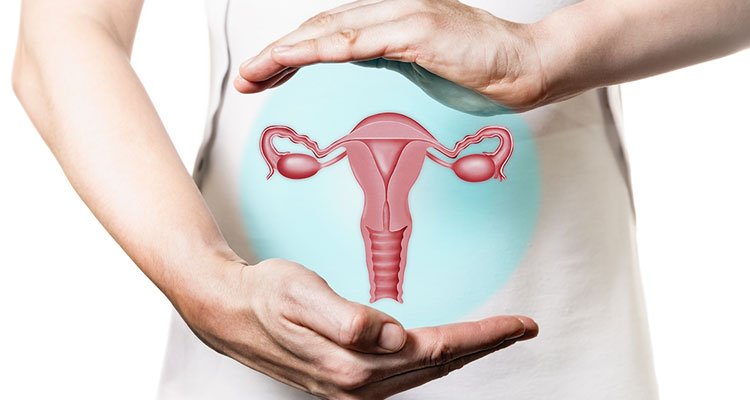
Reproductive health is a fundamental aspect of every woman's overall well-being. As a gynecologist, I believe it is essential that my patients are well-informed about their bodies and understand the importance of regular care.
What is Gynecology and Why is it Important?
Gynecology is the branch of medicine that deals with the health of the female reproductive system, including the uterus, ovaries, fallopian tubes, and vagina. This medical specialty plays a crucial role in maintaining the health of women of all ages.
Regular gynecological check-ups are essential for early detection of potential health problems. Many gynecological conditions can be successfully treated if identified in their early stages. That is why I recommend that all my patients have regular check-ups, even if they do not have symptoms.
Essential Gynecological Examinations and Investigations
During a complete gynecological consultation, the doctor may recommend several types of exams and investigations, depending on the patient's age and medical history.
Gynecological clinical examination It is the basis of any consultation and consists of evaluating the external and internal genital organs. This examination allows for the rapid identification of any abnormalities or infections that may require treatment.
Pap test (Babes-Pap test) is one of the most important screening tests for early detection of cervical cancer. This simple and painless test can save lives by identifying abnormal cells before they develop into cancer.
Transvaginal ultrasound is a modern imaging method that allows detailed visualization of the uterus, ovaries and adjacent structures. This investigation is painless and provides valuable information about the health of the reproductive system.
Common Gynecological Conditions
There are numerous gynecological conditions that can affect women of all ages. Knowing the symptoms and treatment options is essential for maintaining reproductive health.
Vaginal infections are among the most common reasons why women consult a gynecologist. They can be caused by bacteria, fungi, or other microorganisms and manifest as abnormal discharge, itching, or discomfort. Prompt treatment is important to prevent complications.
ENDOMETRIOSIS is a condition in which the tissue that lines the inside of the uterus grows outside of it. This condition can cause severe pain, heavy periods, and fertility problems. Early diagnosis and proper treatment can significantly improve quality of life.
Uterine fibroids are benign tumors that develop in the wall of the uterus. Although they are noncancerous, they can cause heavy bleeding, pelvic pain, and pressure. Treatment options range from monitoring to surgery, depending on the size and symptoms.
Polycystic ovary syndrome (PCOS) PCOS is a common hormonal disorder that affects the menstrual cycle, fertility, and metabolism. Women with PCOS may experience irregular periods, acne, excessive hair growth, and difficulty conceiving.
Reproductive Health Prevention and Care
Maintaining optimal reproductive health involves more than regular medical visits. A healthy lifestyle plays a crucial role in preventing many health problems.
Balanced diet is essential for hormonal health. Consuming fruits, vegetables, whole grains, and lean proteins can support hormonal balance and optimal reproductive function.
Regular physical exercise It helps maintain a healthy body weight, reduces stress, and improves blood circulation, all of which are beneficial for reproductive health.
Stress management is crucial, as chronic stress can negatively affect hormonal balance and the menstrual cycle. Techniques such as meditation, yoga, or therapy can be very helpful.
Avoiding smoking and excessive alcohol consumption is important because these substances can negatively affect fertility and increase the risk of gynecological complications.
When to See a Gynecologist
It's important to know when to seek medical help. Some symptoms require immediate attention, while others can be evaluated during a routine annual checkup.
Consult a gynecologist urgently if:
– You have heavy or irregular vaginal bleeding
– You experience severe pelvic pain
– You notice vaginal discharge with an unusual odor or abnormal color
– You have a fever associated with gynecological symptoms
– You have bleeding after menopause
Conclusion
Reproductive health is a fundamental aspect of a woman's overall well-being. Regular gynecological consultations, a healthy lifestyle, and knowledge about your own body are keys to maintaining optimal reproductive health.
As a gynecologist, I encourage all women to be proactive about their health. Don't hesitate to ask questions and discuss any concerns with your doctor. Education and prevention are the most powerful tools you have for a healthy life.